
Hear from Our Customers
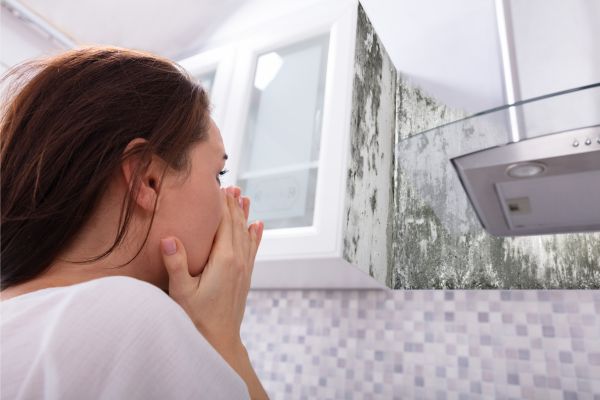
You’re not imagining that musty smell. Your kid’s cough isn’t just seasonal allergies. And that water issue from last winter didn’t just dry up and disappear.
Mold doesn’t announce itself. It hides behind walls, under floors, and inside HVAC systems where you can’t see it. By the time it’s visible, you’re already breathing it. That’s the problem with waiting.
Professional mold testing gives you what guessing can’t: actual data. Air sampling picks up spore concentrations you’d never detect on your own. Surface testing identifies the specific type of mold growing in your home. Moisture mapping shows you where the problem started and whether it’s still active.
You’re not paying for someone to tell you what you already know. You’re paying to find out what you don’t. That’s the difference between reacting to a problem and actually solving it.
In Bucks County, where precipitation has increased up to 10% in recent years, mold isn’t an if—it’s a when. Homes here deal with humidity, old foundations, and weather patterns that create perfect conditions for growth. Testing shows you whether your home is one of them.
We’ve been inspecting and testing homes across Pennsylvania, Delaware, and New Jersey for over 20 years. We’re InterNACHI certified, which means we’ve completed over 2,000 inspections using the same methods and equipment that professional home inspectors rely on.
We don’t do remediation. That’s intentional. When a company offers free testing and also does the cleanup, they have a reason to find problems whether they exist or not. We test. That’s it. You get unbiased results sent to an independent lab, analyzed by mycologists who actually know what they’re looking at.
Crabtree Hollow and the surrounding Bucks County area have unique challenges. Older homes, fluctuating water tables, and higher humidity levels mean mold issues here look different than they do in drier climates. We’ve seen it all, and we know what to look for in homes like yours.
First, we talk. You tell us what you’ve noticed—smells, stains, health symptoms, past water damage. That conversation shapes where we look and what we test.
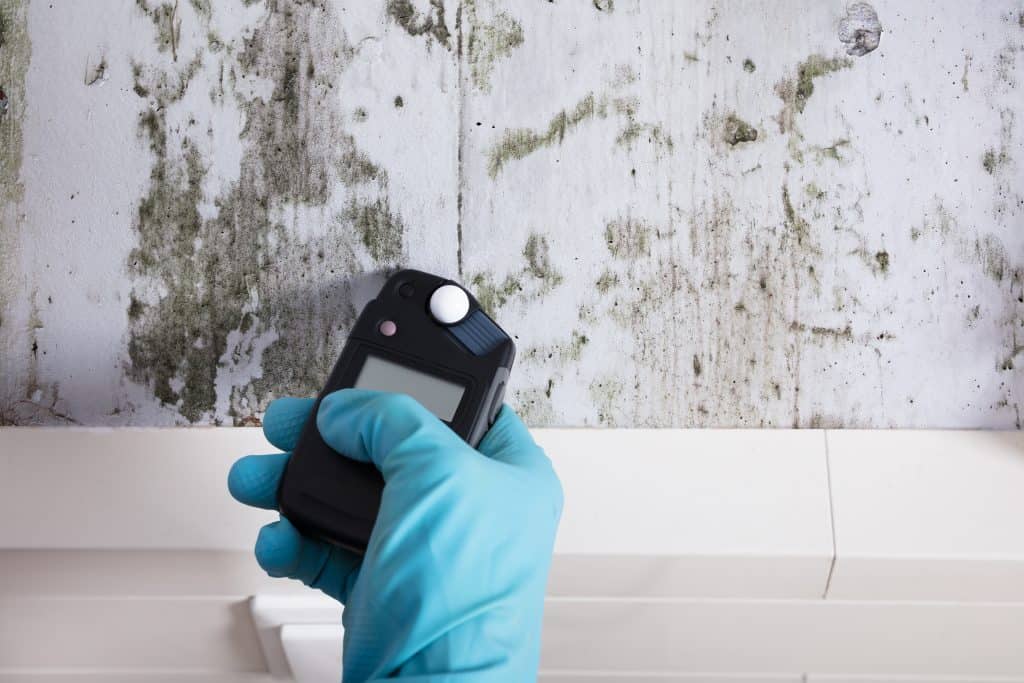
Then we walk your property. We’re checking the obvious spots and the ones you’d never think to look. Thermal imaging cameras detect temperature differences behind walls that indicate moisture. Moisture meters measure whether surfaces are actively wet or just damp. If we find elevated readings, we know where to sample.
Air sampling captures spores floating in your indoor environment. We compare those levels to outdoor air to see if your home has higher concentrations than normal. Surface sampling takes swabs or tape lifts from visible growth or suspicious areas. Both get sent to a lab where mycologists identify the exact species and concentration levels.
You get a full report. It tells you what type of mold is present, where it’s concentrated, and what the lab results mean in plain language. We also explain the source—whether it’s a roof leak, foundation moisture, HVAC condensation, or something else. You’ll know what you’re dealing with and what needs to happen next.
The whole process usually wraps up within 24 to 48 hours from the time we leave your home to when you receive results.
Ready to get started?
You’re getting more than someone walking through your house with a flashlight. Our mold testing includes a full consultation where we discuss your concerns, a visual inspection of your entire property, and advanced detection methods that go beyond what’s visible.
We use thermal imaging to find hidden moisture and mold growth behind walls, ceilings, and floors. Moisture meters give us exact readings on whether building materials are wet enough to support mold. Air quality testing measures spore levels throughout your home, and surface testing identifies specific mold types growing on walls, floors, or other materials.
Every sample gets analyzed by an independent laboratory. You’re not trusting our opinion—you’re getting results from certified mycologists who specialize in mold identification. They’ll tell you whether you’re dealing with common molds like Cladosporium and Penicillium, or more concerning species like Stachybotrys (black mold) and Aspergillus.
In Crabtree Hollow, we see patterns. Homes with crawl spaces tend to have moisture issues that lead to mold growth underneath living areas. Properties near wooded areas or with poor drainage deal with foundation moisture. Older homes with outdated HVAC systems often have mold growing inside ductwork. We know what to look for because we’ve tested hundreds of homes in Bucks County with the same issues.
Your report includes everything: lab results, moisture readings, thermal images, and a breakdown of what it all means. You’ll also get recommendations on next steps, whether that’s remediation, improved ventilation, or just monitoring the situation.
Mold testing costs vary based on the size of your home and how many samples you need, but most residential mold inspections in Bucks County range from a few hundred dollars to around $600 or $700 for larger properties or more extensive testing.
You’re paying for the inspection itself, lab analysis, and the equipment we use to detect hidden moisture and mold. Air sampling, surface sampling, and moisture mapping all factor into the price. The more areas we test, the more comprehensive your results.
Here’s what matters: testing costs a fraction of what remediation does. The average mold remediation in the Philadelphia area runs over $2,400, with many projects hitting $3,600 or more. If you skip testing and just start tearing out drywall, you might be fixing the wrong problem. Or worse, missing the actual source and watching mold come back six months later.
Insurance sometimes covers mold testing if the mold resulted from a covered event like a burst pipe or storm damage. Most policies in Pennsylvania cover up to $10,000 for mold-related issues, but you’ll need documentation. That’s where professional testing helps—it gives you the proof you need to file a claim.
A mold inspection is the visual walkthrough. We’re looking for signs of mold growth, water damage, moisture problems, and conditions that support mold. We check walls, ceilings, floors, basements, crawl spaces, attics, and HVAC systems. We use thermal imaging and moisture meters to find hidden issues.
Mold testing goes further. It involves taking samples—either from the air or from surfaces—and sending them to a lab for analysis. The lab identifies what species of mold is present and how much of it you’re dealing with. Testing gives you data that an inspection alone can’t provide.
You don’t always need testing. If there’s visible mold and an obvious moisture source, you might just need remediation. But if you’re experiencing health symptoms with no visible mold, or if you’ve had past water damage and want to know whether mold is still active, testing makes sense.
In Crabtree Hollow, we recommend testing when you’re buying or selling a home, after any water damage event, or if someone in your household has unexplained respiratory issues. Pennsylvania disclosure laws require sellers to report known material defects, and mold qualifies. Testing protects both parties by documenting what’s actually there.
Many homeowners also test after remediation to confirm the mold is actually gone. It’s the only way to know for sure.
You can buy DIY mold test kits at hardware stores or online. They’re cheap, they’re easy to use, and they’ll tell you whether mold spores are present. The problem is, mold spores are always present. Every home has them. What matters is the type and concentration.
DIY kits don’t give you that context. They can’t tell you whether your spore levels are normal or dangerously high. They won’t identify the specific species. And they definitely won’t tell you where the mold is coming from or whether your moisture problem is still active.
Professional mold testing uses calibrated equipment, controlled sampling methods, and third-party lab analysis. We’re comparing your indoor air quality to outdoor baselines. We’re using thermal imaging to detect moisture you can’t see. We’re taking multiple samples from different areas to map out the scope of the problem.
Here’s the other issue: if you’re testing because you’re worried about your family’s health, or because you’re buying a home, or because you need documentation for insurance, a DIY kit won’t hold up. You need certified results from an accredited lab. That’s what lenders, insurers, and buyers expect.
In Bucks County, where nearly half of homes show signs of mold or moisture issues, guessing isn’t a strategy. Professional testing gives you the information you actually need to make decisions.
Most mold testing results come back within 24 to 48 hours after we collect samples. The timeline depends on the lab’s workload and the type of analysis you need, but two days is standard for most residential mold tests in Pennsylvania.
Air samples and surface samples get sent to an independent laboratory where mycologists analyze them under a microscope. They’re identifying mold species, counting spore concentrations, and comparing your indoor levels to outdoor baselines. That process takes time, but it’s what gives you accurate results instead of guesswork.
Once the lab completes the analysis, we receive the report and walk you through it. You’re not just getting a piece of paper with numbers on it. We explain what the results mean, which mold types were found, whether the concentrations are concerning, and what’s causing the problem.
If you need results faster, some labs offer expedited testing for an additional fee. That can cut the turnaround time to 24 hours or less. Most homeowners don’t need the rush, but if you’re in the middle of a real estate transaction or dealing with a health emergency, it’s an option.
The inspection itself usually takes a few hours depending on the size of your home. We’re thorough, but we’re not wasting your time. You’ll have answers within a couple of days, and you’ll know exactly what you’re dealing with.
The most common molds we find in Bucks County homes are Cladosporium, Penicillium, Aspergillus, and Alternaria. These are everywhere—they grow on damp surfaces, in HVAC systems, and in areas with poor ventilation. Most of them aren’t dangerous in small amounts, but high concentrations can trigger allergies and respiratory issues.
Stachybotrys, commonly called black mold, shows up less frequently but gets the most attention. It grows on materials with high cellulose content—drywall, wood, paper—especially after water damage. It produces mycotoxins that can cause serious health problems, particularly for kids, elderly individuals, and anyone with asthma or a compromised immune system.
In Crabtree Hollow specifically, we see a lot of mold growth related to foundation moisture and crawl space humidity. Homes built on older foundations or properties with poor drainage tend to have persistent dampness that supports mold growth. Bathrooms without proper exhaust fans, basements with water intrusion, and attics with roof leaks are also common problem areas.
Pennsylvania’s increased precipitation over the last decade has made mold more common across the region. Homes that used to stay dry now deal with occasional flooding, condensation, and humidity levels that create ideal conditions for mold. Testing identifies not just what’s growing, but why—so you can fix the source and not just the symptom.
Different molds require different responses. Some just need better ventilation. Others require full remediation and moisture control. Testing tells you which one you’re dealing with.
Testing itself doesn’t hurt your home’s value. What you do with the results does. If you test, find mold, document it, and then ignore it, that’s a disclosure problem. Pennsylvania law requires sellers to disclose known material defects, and mold qualifies when it affects health, structure, or habitability.
Here’s the reality: homes with untreated mold lose 20% to 37% of their value. Buyers walk away when they find out a property has mold issues. Nearly half of potential buyers back out of deals once mold is discovered. If you’re selling, ignoring the problem doesn’t make it go away—it just makes it someone else’s problem, and that creates legal liability.
Testing before you list gives you control. If mold is present, you can remediate it, document the work, and show buyers that the issue was handled professionally. That’s a selling point, not a red flag. Buyers trust homes with documented fixes more than homes with no history at all.
If you’re buying a home in Crabtree Hollow, mold testing protects your investment. You’re not just trusting the seller’s word or a basic home inspection. You’re getting lab-confirmed data about what’s in the air and on the surfaces. If mold is found, you can negotiate repairs, request remediation, or walk away before closing.
Mold testing doesn’t create problems. It uncovers them. And in real estate, knowing what you’re dealing with is always better than finding out after the deal is done.
Other Services we provide in Crabtree Hollow